Here are the 150 essential recordings of the first 50 years of rock & roll, 1954-2003: 100 albums & 50 singles not already on those albums. Together they form the canon of the basic rock & roll library.
A few things worth noting to help keep the list focused and streamlined:
- There is only rock music. Early influences (such as Robert Johnson, Hank Williams, or Billie Holiday) and contemporary influences of other genres (like Miles Davis, Muddy Waters, or Johnny Cash) were all left out.
- I went by the classic titles. As a purist, I included the long-held classics of the genre (such as Elvis Presley's The Sun Sessions and The Beach Boys' Endless Summer) even if they were long out-of-print; in such cases, I included a footnote to a modern substitution that is its closest in-print equivalent.
- I avoided multi-disc & multi-artist compilations. I wanted the list of 100 albums to actually be 100 CDs, with no cheating on extra discs. Furthermore, if an artist didn't merit an album, they were included in the singles section, as opposed to a compilation that may cover several of them.
- I usually went by the artist over the title. By this rule, I left out some classic albums (Love's Forever Changes and Carole King's Tapestry) to make sure I had room for artists who merited inclusion despite not having an album that was as much as a stone-cold classic (Jerry Lee Lewis and Janis Joplin).
- I tried to keep the number of entries per artist balanced. Only The Beatles have five albums; Bob Dylan & The Rolling Stones each have four, & only Elvis & Jimi have three. Of the rest, only Elvis, Jimi, Aretha, The Who, Zeppelin, Springsteen, & Wonder have two. This is when each LP is a classic in their own right (i.e., Springsteen's Born To Run and Born In The USA) &/or it helped to show the performer's range (i.e., The Who getting an early greatest hits as well as Who's Next). Each artists' number of possible singles in the 45s list correlates to the number of albums in the LPs list.
- Finally, artists are represented in the era by which they are most associated—and not necessarily the era in which their albums were released. After each album title is the label upon which it was released followed by the date the album came out. If the album is a compilation that covers several years, the spanning years are written before the release date.
Like anything else, the rest ultimately came down to my own judgment. The whole process was obsessive, agonizing, and conflicted—but hey, that's half the fun.
So here is the canon of rock and roll music—the rock, as it were, upon which rock and roll rests.
Part 1: The LPs.
The 1950s.
Chuck Berry: The Great Twenty-Eight*
(MCA, 1955-1965/1982)
 "Maybellene," "Roll Over Beethoven," "Sweet Little Sixteen," and twenty-five more reasons why John Lennon wasn't kidding when he said another word for rock and roll might be Chuck Berry; features "Johnny B. Goode," the greatest rock record of them all.
Ray Charles: The Best Of The Atlantic Years
(Atlantic, 1954-1959/1994)

Hear Brother Ray invent soul music over three discs of his Atlantic Records masters, from the hard rhythm and blues of "I've Got A Woman" through the secular gospel of "Hallelujah, I Love Her So" and the archetypal funk of "What'd I Say."
Sam Cooke: The Best Of
(RCA, 1957-1962/1962)
 When "You Send Me" hit #1, Sam Cooke crossed the divide between gospel titan and soul pioneer, as chronicled on this set, until he effortlessly mixed the music into the divine pop of "Wonderful World", "Chain Gang", & "Cupid."
Fats Domino: My Blue Heaven: The Best Of*
(EMI, 1949-1961/1990)
 The master of the rolling New Orleans sound and the perfect first step for white audiences into rhythm & blues music, as "I'm Walkin'," "Ain't That A Shame," "Blue Monday," and "Blueberry Hill," crossed over into the pop charts and influenced all who heard them.
The Everly Brothers: Cadence Classics: Their 20 Greatest Hits
(Rhino, 1957-1960/1990)
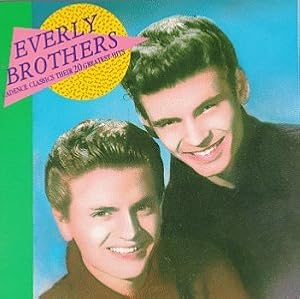 High and lonesome country harmonies unleashing hillbilly-bop jumpers ("Bye Bye Love") and nursing broken hearts ("When Will I Be Loved") in equal measure, as kids like Lennon & McCartney and Simon & Garfunkel hung on every their note.
Buddy Holly: 20 Golden Greats*
(EMI, 1956-1958/1978)
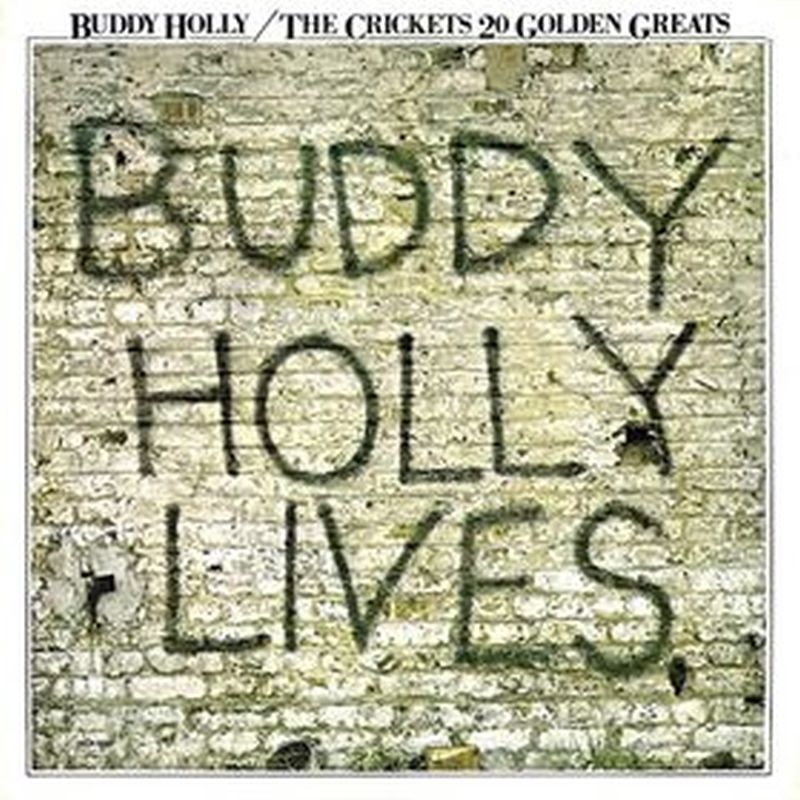 The first everyman of rock and roll, as well as one of its finest (and first) singer-songwriters—tunes like "That'll Be The Day," "Not Fade Away," and "Words Of Love" provided a spring upon which The Beatles, Dylan, and The Stones could drink from the same well.
Jerry Lee Lewis: Original Golden Hits, Vol. 1 & 2*
(Collectables, 1956-1962/1999)
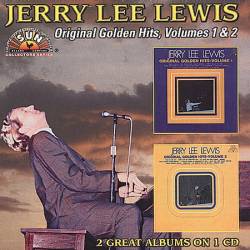 Rock and roll madness in its purist form, as titles on the sleeve "Whole Lotta Shakin' Goin' On," "Great Balls Of Fire," and "Breathless" seemed to tell the whole story, but only hinted at the apocalyptic fury that lay within the grooves inside.
Little Richard: Here's Little Richard*
(Specialty, 1955-1956/1957)
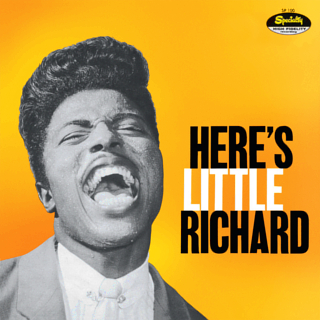 Rock music's original masterpiece LP, with "Long Tall Sally," "Ready Teddy," and "Tutti Frutti," which contained the finest definition of rock and roll music ever ventured in its closing ten words: "A wop bop a loo bop a wop bam boom!"
Roy Orbison: For The Lonely: 18 Greatest Hits**
(Rhino, 1956-1964/1990)
 Orbison's near-operatic tenor defined the dark side of classic rock and roll, as epic heartbreakers like "Only The Lonely," "Crying," "Running Scared," and "It's Over" go by on this disc before culminating in "Oh, Pretty Woman," where the singer finally gets the girl.
Elvis Presley: The Sun Sessions*
(RCA, 1954-1955/1976)

A weird 19-year-old truck-driver named Elvis cuts ten perfect singles—including "That's All Right," "Good Rockin' Tonight," "Baby, Let's Play House," and "Mystery Train"—that define rock and roll and completely change the course of popular music.
Elvis Presley: Elvis' Golden Records*
(RCA, 1956-1957/1957)
 With "Hound Dog," "Heartbreak Hotel," "Don't Be Cruel," "Love Me Tender," "All Shook Up," "Jailhouse Rock," "(Let Me Be Your) Teddy Bear," and the rest, this is the music that made the man King—just before the Army came and stole his crown.
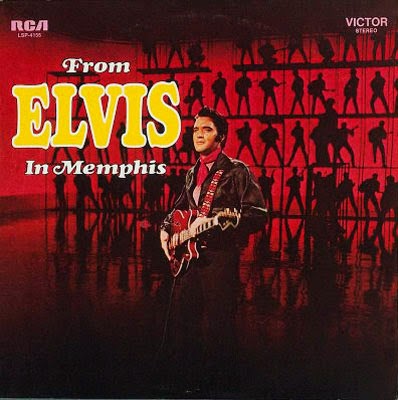
Elvis Presley: From Elvis In Memphis
(RCA, 1969)
The 1960s.
The Band: The Band
(Capitol, 1969)
 The Great American Novel as a rock and roll album dreamed up by 4 Canadian nomads and an Arkansas drummer; "Up On Cripple Creek" and "The Night They Drove Old Dixie Down" are the classics, but it was "Across The Great Divide" that gave away their hand.
The Beach Boys: Endless Summer**
(Capitol, 1962-1966/1974)
 California as a state of mind, charted in songs about surfing ("Surfin' U.S.A."), cars ("I Get Around"), and girls ("California Girls"), and anchored by brooding songs like "Don't Worry Baby," which looked beyond the summer to hint at the maturity that was to come.
The Beach Boys: Pet Sounds
(Capitol, 1966)
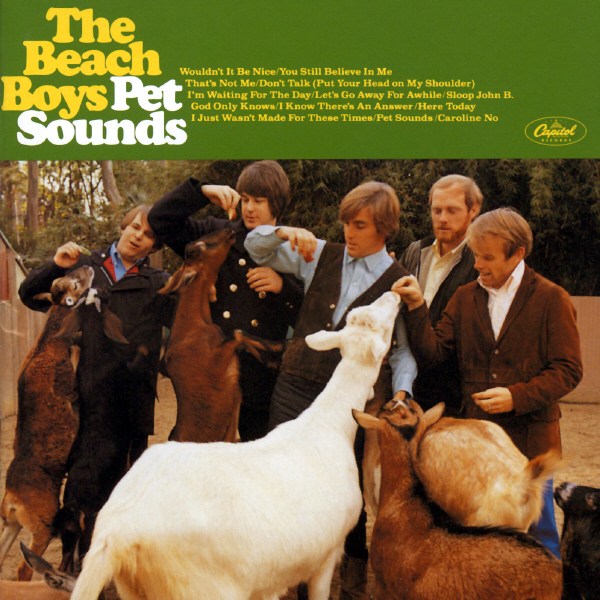 Rock and roll's first modern artistic masterpiece, a city upon a hill of hope ("Wouldn't It Be Nice"), beauty ("God Only Knows"), and ultimately, loss ("Caroline, No"), which sailed on an ocean of sound so full that it could float a ship of fools ("Sloop John B"); their finest album.
The Beatles: Meet The Beatles!
(Capitol, 1964)
 The American soundtrack to Beatlemania, with both sides of their breakthrough hit ("I Want To Hold Your Hand" & "I Saw Her Standing There"), a standard ("Till There Was You"), & some of the most exciting music of the era ("It Won't Be Long," "All My Loving").
The Beatles: Rubber Soul
(Capitol, 1964)
The Beatles: Rubber Soul
(Parlophone, 1965)
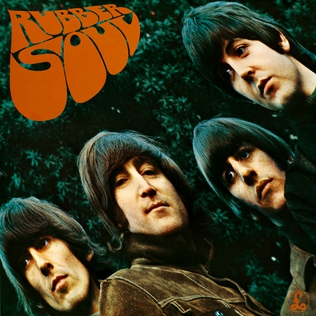 Beatlemania smokes pot, digs Dylan, and comes up the archetypal modern rock masterpiece—acoustically mature in some places ("In My Life"), electrically rocking in others ("Drive My Car"), and cryptically eclectic all around ("Norwegian Wood (This Bird Has Flown)").
The Beatles: Revolver
(Parlophone, 1966)
 John finds LSD ("Tomorrow Never Knows"), Paul finds classicism ("Eleanor Rigby"), George finds meditation ("Love You To"), and Ringo finds a #1 hit ("Yellow Submarine") in their finest album—all parts independent, yet forming a common whole.
The Beatles: Sgt. Pepper's Lonely Hearts Club Band
(Parlophone, 1967)
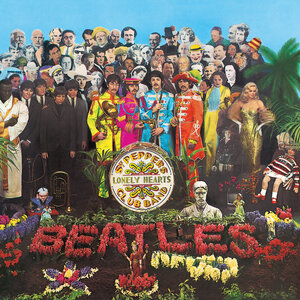 If not "The Greatest Album Of All-Time," surely the most influential, as the title track, "Lucy In The Sky With Diamonds," and "A Day In The Life" charted the course from Rock to Art, and in so doing, divided the history of the music in two.
The Beatles: Abbey Road
(Apple, 1970)
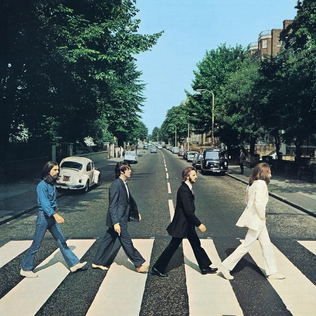 And in the end, this was their fitting and sophisticated swan-song; but with "Come Together," "Here Comes The Sun," and Side 2's brilliant "Long Medley," it was not just a finale—it was their finest-produced and most-accomplished album.
James Brown: Live At The Apollo
(King, 1963)
.jpg) Rock's greatest live album and R&B's finest hour is just another night for the Hardest Working Man In Show Business, as he begs, borrows, and steals his way through hits like "I'll Go Crazy" and "Think," then fans the audience's flame on an extended "Lost Someone."
Rock's greatest live album and R&B's finest hour is just another night for the Hardest Working Man In Show Business, as he begs, borrows, and steals his way through hits like "I'll Go Crazy" and "Think," then fans the audience's flame on an extended "Lost Someone."
James Brown: 20 All-Time Greatest Hits!
(Polydor, 1956-1984/1991)

Nothing less than a 20-song history of modern African American music, from hard R&B ("Please, Please, Please") to fiery soul ("I Got You (I Feel Good)") to hot funk ("Get Up (I Feel Like Being A) Sex Machine") to proto-rap ("The Payback"); endlessly sampled, but never equalled.
The Byrds: Greatest Hits
(Columbia, 1965-1967/1967)
 With Dylan's words and The Beatles' sound, this was folk-rock, literally—defined by "Mr. Tambourine Man," "Turn! Turn! Turn!," and "Chimes of Freedom," before going to acid-rock ("Eight Miles High"), space-rock ("Mr. Spaceman"), and back ("My Back Pages).
Cream: Disraeli Gears
(Reaction, 1967)
 11 tracks of Cream on top, just before the pop gave way to the self-indulgence—an acid rock tour of love ("Sunshine Of Your Love"), drugs ("Tales Of Brave Ulysses"), and, um, beer (?) ("Strange Brew"), held up by an old 78 ("Outside Woman Blues").
The Doors: The Doors
(Elektra, 1967)
 Beginning with "Break On Through," climaxing on "Light My Fire," and closing with "The End," the archetypal statement of sex, drugs, and rock and roll—or, the brooding darkness hidden just under psychedelic rock's diamond sky that set the stage for the rest of the decade.
Bob Dylan: Bringing It All Back Home
(Columbia, 1965)
 Bob Dylan plugs in and all but invents modern rock and roll—as abstract lyrics meet a garage rock hurricane on "Subterranean Homesick Blues" and "Maggie's Farm," before the sound and fury subside for an acoustic side crowned by "Mr. Tambourine Man."
Bob Dylan: Highway 61 Revisited
(Columbia, 1965)
 From the gun-shot drum-hit of the epic "Like A Rolling Stone" through the winding back alleys of "Desolation Row," this is Bob Dylan's finest hour—and by extension, one of rock's too—built with restlessness in its heart and the highway in its spine.
Bob Dylan: Blonde On Blonde
(Columbia, 1966)
 The capstone to Dylan's initial rock trilogy is an extended meditation on love ("I Want You"), drugs ("Rainy Day Women #12 & 35"), and poetry ("Visions Of Johanna"), with glimpses of death and humor wrapped in what he famously dubbed "that wild, mercury sound."
Bob Dylan: Blood On The Tracks
(Columbia, 1975)
 With his marriage in shambles, Dylan shuffled this albums together from half-electric ("Tangled Up In Blue," "Idiot Wind") & half-acoustic ("A Simple Twist Of Fate," "Shelter From The Storm") stunners that stand as his finest work since the 1960s.
Aretha Franklin: I Never Loved A Man The Way I Loved You
(Columbia, 1975)
Aretha Franklin: I Never Loved A Man The Way I Loved You
(Atlantic, 1967)

The fervor of the church meets the fire of the bedroom on songs like "Respect," "Drown In My Own Tears," "Do Right Woman, Do Right Man," and the title track, which double as Aretha's arrival as an R&B powerhouse and what many consider the greatest soul album ever made.
Aretha Franklin: Lady Soul
(Atlantic, 1968)
 The Queen Of Soul begins her reign on this second masterpiece, with the definitive readings of "Chain Of Fools" and "(You Make Me Feel Like) A Natural Woman," released just before her career lost focus in a sea of overwrought performances and scattershot material.
Marvin Gaye: What's Going On
(Tamla, 1971)
 Rock and roll as a sermon in soul music's first (and finest) concept album, with Gaye's eyes focused on heaven but soul weary as hell; propelled by hits like the title track and "Mercy Mercy Me," and "Inner City Blues," it would become Motown's best-selling album ever.
The Grateful Dead: American Beauty
(Warner Brothers, 1970)
 The definitive live band's definitive studio album, with many of the songs that would make their legend, onstage and off: "Sugar Magnolia," "Friend Of The Devil," and "Truckin'," with its tagline summing up the band's epic journey perfectly: "What a long, strange trip it's been..."
Jimi Hendrix: Are You Experienced
(Reprise, 1967)
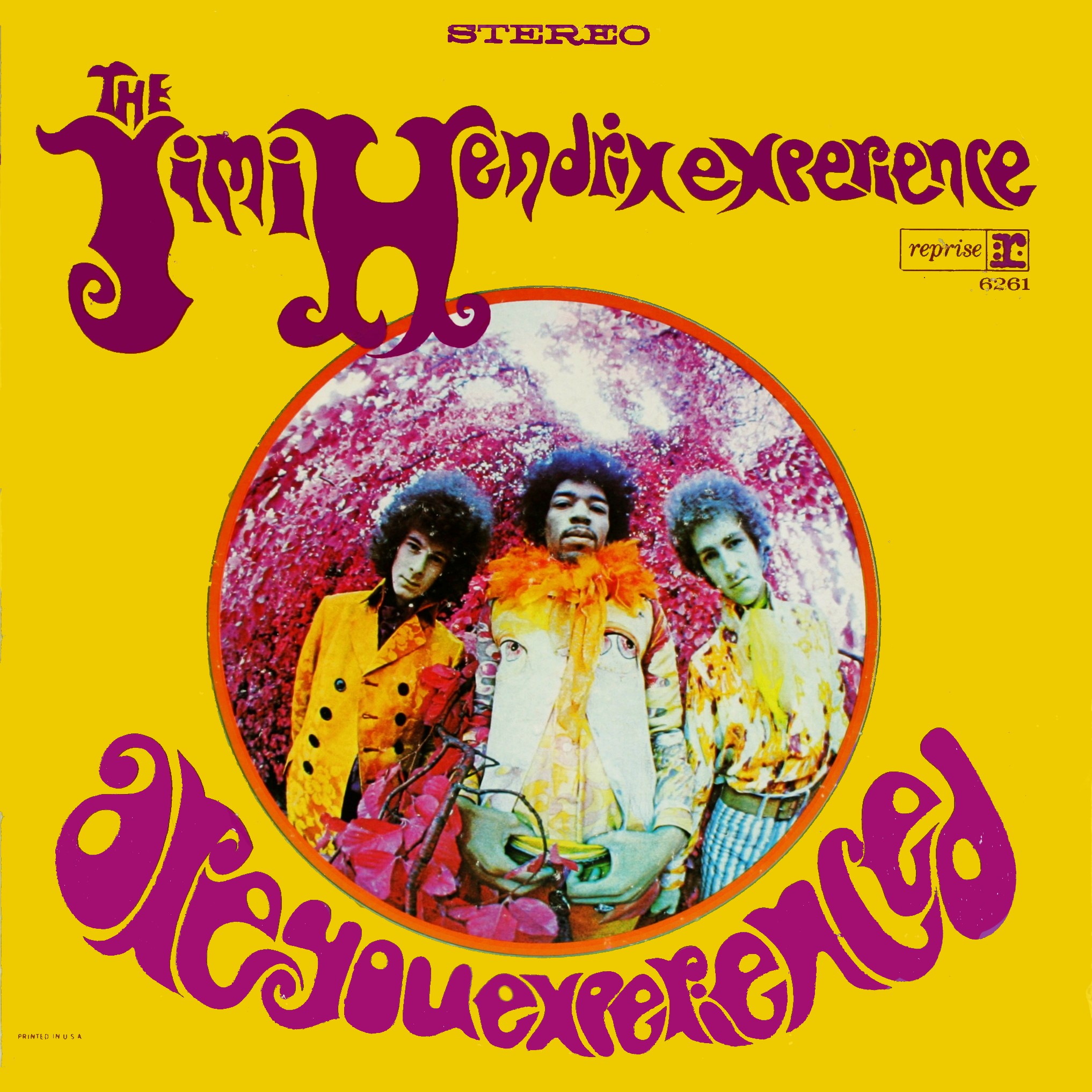 Rock's greatest guitarist makes rock's greatest debut album of all-time, which sounds like an avalanche and feels like a greatest hits; on "Purple Rain," "Hey Joe," "The Wind Cries Mary," "Foxy Lady," and the rest, this was a rare album that simply changed everything.
Jimi Hendrix: Axis: As Bold As Love
(Reprise, 1967)
 An underrated "sophomore slump" that most bands would kill to have be their finest album, Hendrix digs in & deepens the textures—both lyrically & musically—on "Spanish Castle Magic," "Little Wing," "Castles Made Of Sand," & the staggering "If 6 Was 9."
Jimi Hendrix: Electric Ladyland
(Reprise, 1967)
Jimi Hendrix: Electric Ladyland
(Reprise, 1968)

For the first and only time in his all-too-brief career, Hendrix received unlimited studio time and came up with this, a 2-LP exploration of love, rock, and sci-fi, which peaked with "All Along The Watchtower," the greatest Dylan cover ever—and somehow, Hendrix's only US Top 20 hit.
Janis Joplin [with Big Brother & The Holding Company]: Cheap Thrills
(Columbia, 1968)
 The arrival of rock's greatest white female singer—she dressed like a hippie and shouted like a rocker, but remained a blues singer down to her tortured soul, on hard rock ("Piece Of My Heart"), slow-burning standards ("Summertime"), & heavy blues ("Ball & Chain").
The Kinks: Greatest Hits**
(Rhino, 1964-1966/1990)
 Before they got immersed in their own uniquely-British, village-green nostalgia, The Kinks were the rawest rock band of their time, as "You Really Got Me" and "All Day And All Of The Night" blurred the lines between garage and punk, and set the stage for heavy metal.
Otis Redding: Otis Blue: Otis Redding Sings Soul
(Atco, 1965)

The King Of Soul's finest hour, as he reinterprets old hits ("A Change Is Gonna Come"), sets up new ones ("Respect"), takes on the rockers at their own game ("Satisfaction"), and ruminates on love and loss as only he can ("I've Been Loving You Too Long").
Smokey Robinson & The Miracles: Going To A Go-Go
(Tamla, 1965)

Famously hailed by Bob Dylan as "America's greatest living poet," the man behind timeless hits like "Ooo Baby Baby," "My Girls Has Gone," & "The Tracks Of My Tears," proves that Dylan's words weren't just sensational—they were an understatement.
The Rolling Stones: Big Hits (High Tide & Green Grass)
(London, 1964-1966/1966)
 The Rolling Stones don't so much arrive in pop culture as they do assault it, blasting consumerism ("Get Off Of My Cloud"), sex ("Heart Of Stone"), class ("Play With Fire"), &, on their signature "(I Can't Get No) Satisfaction," all of the above.
The Rolling Stones: Beggars Banquet
(London, 1964-1966/1966)
The Rolling Stones don't so much arrive in pop culture as they do assault it, blasting consumerism ("Get Off Of My Cloud"), sex ("Heart Of Stone"), class ("Play With Fire"), &, on their signature "(I Can't Get No) Satisfaction," all of the above.The Rolling Stones: Beggars Banquet
(London, 1968)
 With "Sympathy For The Devil" leading the way, The Stones enter their "Greatest Rock And Roll Band In The World" phase with the sound to prove it—part blues, part country, and, on "Street Fighting Man," all revolutionary.
The Rolling Stones: Let It Bleed
(London, 1969)

An Irish wake for the 1960s, released just on the cusp of their collapse by the band who would put the final nail on the coffin—the apocalyptic "Gimme Shelter" told the whole story, but "You Can't Always Get What You Want" kept you coming back for more.
The Rolling Stones: Exile On Main Street
(Rolling Stones, 1972)
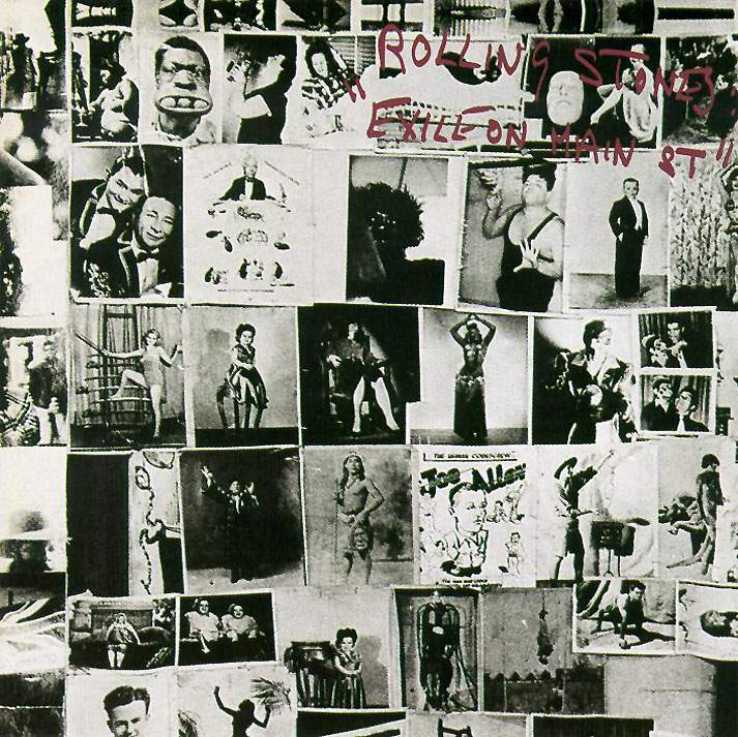
A murky, messy sprawl of an album, with no real relent, just hard, thick rock; "Tumbling Dice" was the closest thing to a hit single, while "Rocks Off" and "Down The Line" played like the equivalent of drowning in a mud pit—is it any wonder that this is their finest album?
Diana Ross & The Supremes: Every Great #1 Hit**
(Motown, 1964-1969/2008)

The Motown Sound in its Platonian form, best heard in 12 #1 songs—including "Where Did Our Love Go," "Baby Love," "Stop! In The Name Of Love," "You Can't Hurry Love," "Love Child," and a few that have nothing to do with love—still a record for an American vocal group.
Simon & Garfunkel: Bridge Over Troubled Water
Columbia, 1970)

The calm in the storm of '60s rock as captured on their definitive album, released just as the 1960s—and the duo itself—was dissolving altogether; with soon-to-be-standards like "The Boxer," "Cecilia," and the title track, this was a perfect ending for both.
Sly & The Family Stone: Greatest Hits
(Columbia, 1967-1969/1970)

A '60s utopia where race, sex, and class knew no boundaries and made music to match, as hits like "Dance To The Music" and "Everyday People" blended rock, pop, soul, and funk; in other words, a Great Society that actually worked, hidden in state-of-the-art acid rock.
The Velvet Underground & Nico
(Verve, 1967)

Overlooked at the time and indispensable ever since, Lou Reed & Co. crawled into rock and roll's seething id of hard drugs ("Heroin"), hard sex ("Venus In Furs"), and hard noise ("European Son"), inventing postmodern rock and roll and setting the stage for punk.
The Who: Meaty Beaty Big & Bouncy**
(Track, 1965-1970/1971)

They called it "Maximum R&B," but in early hits like "My Generation," "The Kids Are Alright," "Substitute," and the acid-inspired "I Can See For Miles," this was cutting-edge pop music, lovingly wrapped in a tempest of the hardest rock and roll of its time.
The Who: Who's Next
(Track, 1971)

The group turns up the cynicism, throws in synthesizers, and reinvents themselves as arena rockers—God knows they were already loud enough, but with "Baba O'Riley" and "Won't Get Fooled Again," they had songs as huge as their venues; their finest album.
Frank Zappa: We're Only In It For The Money
(Verve, 1968)

The American Sgt. Pepper, which turned the original inside-out—literally, in its artwork and conceptually with its savage hippie lampoons like "Who Needs The Peace Corps?" and "Absolutely Free"—and in doing so, actually bettered it.
The 1970s.
AC/DC: Back In Black
(Atlantic, 1980)
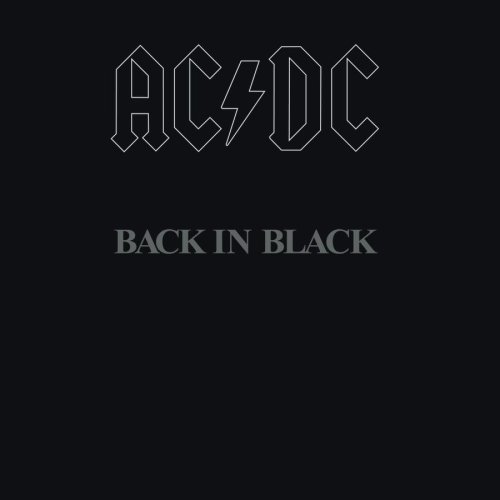
AC/DC was on the brink of international stardom when singer Bon Scott died from alcohol poisoning; from the tolling of "Hell's Bells" through the title track and infectious "You Shook Me All Night," this was his funeral—and a better-than-ever rebirth for the band.
Aerosmith: Rocks
(Columbia, 1976)

They would have bigger and more popular albums, but in tracks like "Last Child" and "Back In the Saddle," they would never have better; this is point at which Aerosmith could look back and call themselves "America's Greatest Rock And Roll Band" with a straight face.
The Allman Brothers Band: At Fillmore East
(Capricorn, 1971)

The biggest American band of their day shows off their musical prowess in this double-LP with equal parts hits ("Statesboro Blues") and jams ("Whipping Post"), built around Duane's electric slide and Gregg's rough-hewn vocals, all captured live and raw, just before the fall.
Black Sabbath: Paranoid
(Vertigo, 1970)
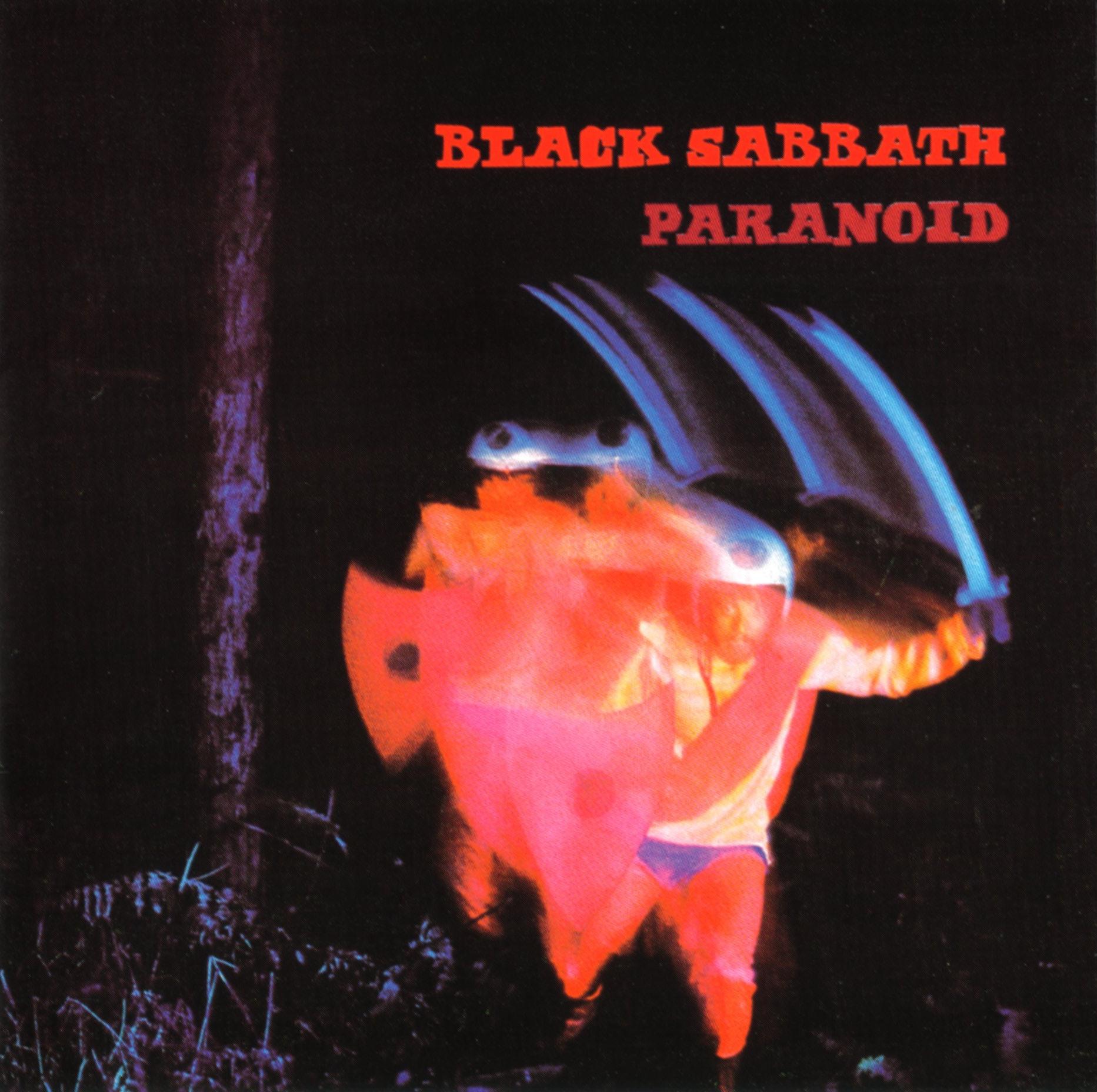
The definitive album from the definitive heavy metal band, with enormous riffs fueling angst-filled classics like "Iron Man," "War Pigs," and the title track, all spit with venom by Ozzy Osbourne, decades before he became a pop-culture punchline.
David Bowie: The Rise & Fall Of Ziggy Stardust & The Spiders From Mars
(RCA, 1972)
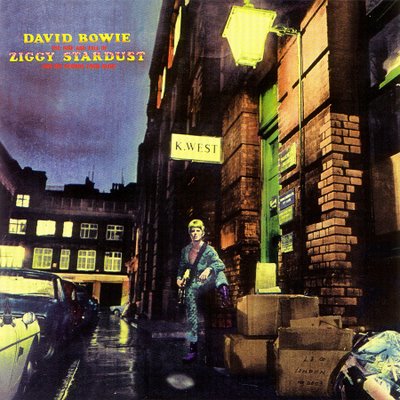
Rock and roll as a passion play about an alien named "Ziggy Stardust" who has "Five Years" to become the world's biggest "Star," until committing a "Rock And Roll Suicide"; if Bowie couldn't quite live it out in real life, you'd never know it from the music.
The Clash: London Calling
(CBS, 1979)
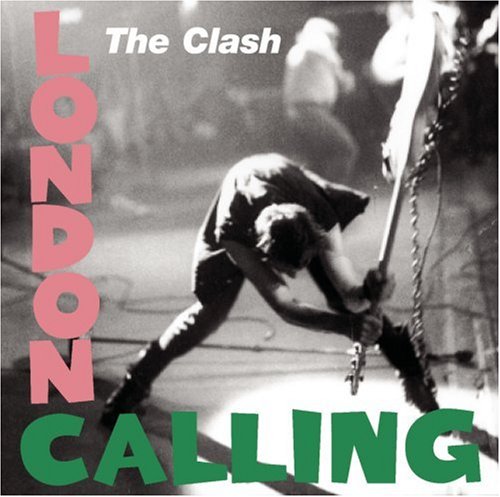
The Only Band That Mattered ventures out from punk rock into an apocalyptic rock wasteland of the title track, and remake the music in their own image with rockabilly ("Brand New Cadillac"), reggae ("Rudie Can't Fail"), and a surprise pop hit ("Train In Vain").
Derek & The Dominoes: Layla & Other Assorted Love Songs
(Atco, 1970)

Eric Clapton's finest hour, his guitar work energized by bandmate Duane Allman's slide ("Bell Bottom Blues") and his performances wracked by the agony of being in love with his best friend's wife ("Layla"); it was too raw to last, but the best rock usually is.
The Eagles: Hotel California
(Asylum, 1976)

A bicentennial portrait of America from the other side of western expansionism, centered around the title track's gilded palace of sin; "They call it paradise, I don't know why," the singer warns in the closer, "The Last Resort," "You call some place paradise, kiss it goodbye."
Fleetwood Mac: Rumours
(Warner Brothers, 1977)

A perfect '70s pop band whose relationships were falling apart craft a perfect '70s pop album about relationships falling apart—powered by hits like "Dreams," "Don't Stop," and "The Chain," it was the best-selling album of all time until Thriller came along.
Al Green: Greatest Hits
(Hi, 1971-1973/1975)

Following in the footsteps of Cooke and Redding, Green was the top soul singer of his time, as he crooned and pled his way through "Tired Of Being Alone," "Let's Stay Together," and "Love And Happiness," until he gave up his pop soul in favor of his immortal soul.
Elton John: Goodbye Yellow Brick Road
(MCA, 1973)

The '70s most indulgent artist makes his most indulgent statement, an ambitious, sprawling double-album of hits ("Bennie And The Jets"), classics ("Candle In The Wind"), and excess (the 11-minute plus "Funeral For A Friend/Love Lies Bleeding" opener).
Led Zeppelin: II
(Atlantic, 1969)

Led Zeppelin: Untitled [IV]
(Atlantic, 1971)

Their finest album, which means it was hard rock's finest album as well—"Black Dog," "Rock And Roll," and "Stairway To Heaven" may get it all of the attention, but it's the epic reworking of the ancient blues holler "When The Levee Breaks" that steals the show.
John Lennon/Plastic Ono Band
(Apple, 1970)
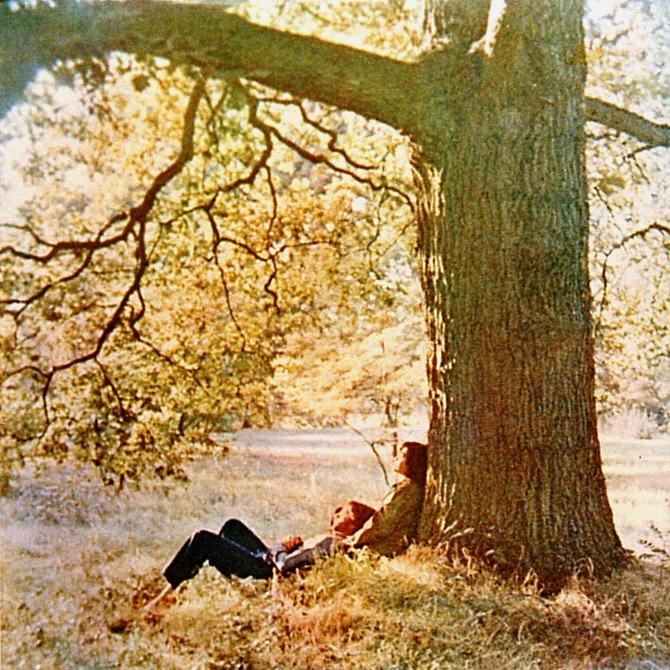
Rock album-making as primal scream therapy—or, with "God," a Cartesian exercise in what constitutes reality; either way, in "Mother," "Working Class Hero," and "Love," Lennon broke out of The Beatles to craft the most "real" singer-songwriter album of them all.
Bob Marley: Legend
(Tuff Gong, 1973-1980/1984)
 A perfect summation of reggae's master that more than lives up to its title, as classics like "Get Up Stand Up," "One Love," "I Shot The Sheriff" and more have propelled it to become the biggest-selling reggae album of all-time; I'd say you should own it, but you already do.
Curtis Mayfield: Super Fly
(RCA, 1972)
 Hear the voice of The Impressions cash in his sweet dreams for the cold realities in "Freddie's Dead," "Pusherman," and the title track—and help define '70s African American culture in the process, all while launching the beats of a thousand rap samples.
Joni Mitchell: Blue
(Reprise, 1972)
 Sweet Baby James was earlier and Tapestry was bigger, but Blue was the best—over ten stark ballads like "Carey" and "A Case Of You," Mitchell plumbs the depths of her emotions, all coming back to the central question of "California": "Will you take me as I am?"
Van Morrison: Astral Weeks
(Warner Brothers, 1968)
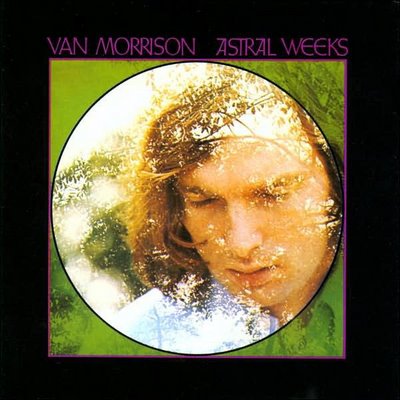
Jazz as pop as rock as memory as time, ventured in the slipstream and wrapped in the blues, way up in the heaven; or, in songs like "Cyprus Avenue" and "Madame George" a journey deep into the mystic, as crafted by the most mystical rocker of them all.
Parliament: Mothership Connection
(Casablanca, 1975)

Funk perfected in an intergalactic concept album by George Clinton & Co. that keeps the party going from "P. Funk (Wants To Get Funked Up)" through "Star Child"—but nothing tops the bass singer in "Give Up The Funk" intoning tear the roof off the sucker...
Pink Floyd: The Dark Side Of The Moon
(Capitol, 1973)
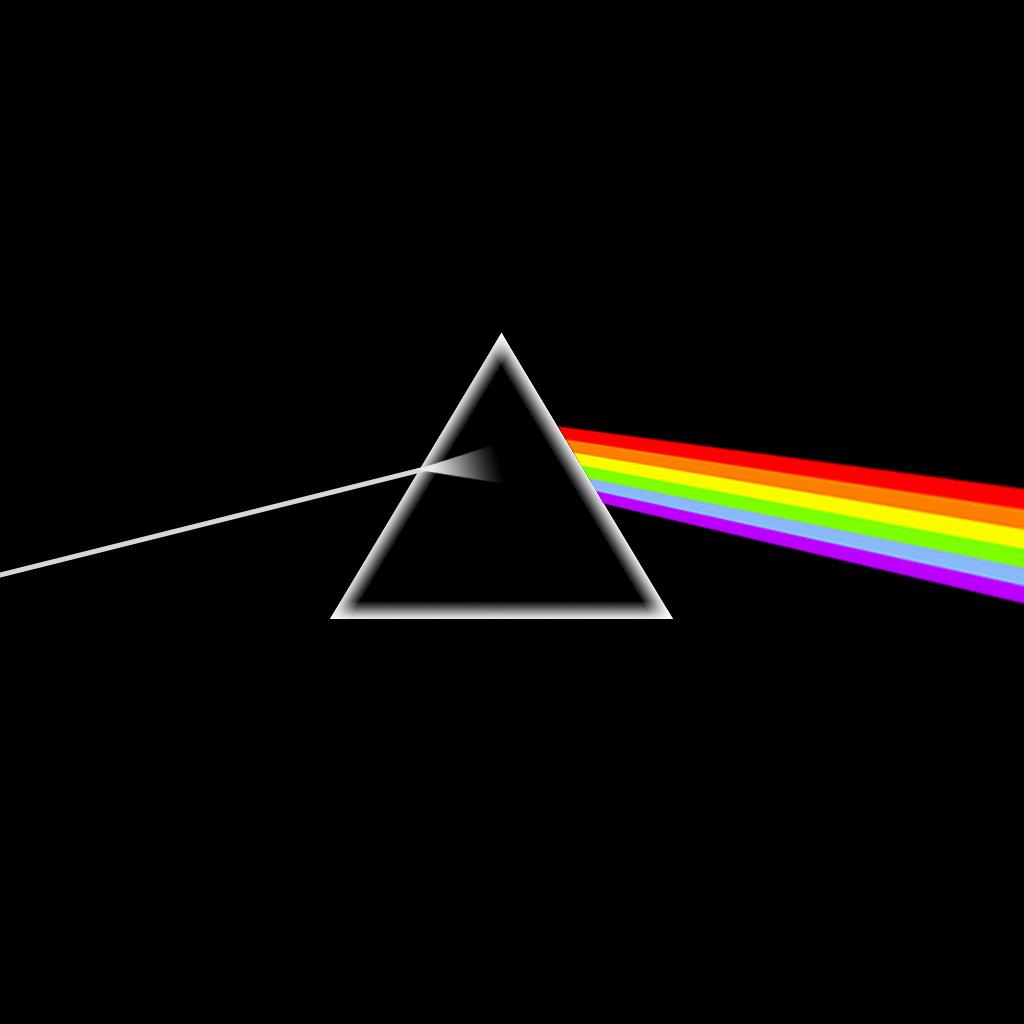
Although it was only #1 for one week and had only one medium-sized hit ("Money"), this LP stayed on the US charts for a record decade and a half, as rock fans were swept into its singularly epic vision, culminating in the eerie finale of "Brain Damage/Eclipse."
The Ramones: The Ramones
(Sire, 1976)
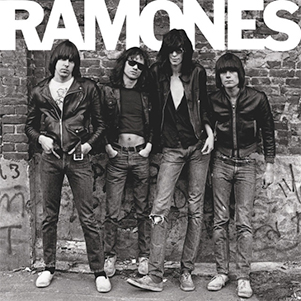
"1-2-3-4!" As in, 1 revolutionary sound + 2-minute songs + 3-chords + 4 cartoon rockers posing as brothers = what leader Joey Ramone famously described as a sort of bubblegum music for sick kids—or, as it would soon be called, punk.
The Sex Pistols: Never Mind The Bollocks
(Virgin, 1977)

As the anti-leaders of rock's imploded third wave, the definitive punk band defines the sound in instant-standards like "Anarchy In The UK" and "God Save The Queen," relentlessly screamed with a blank stare by a hunchbacked man with green teeth named Johnny Rotten.
Patti Smith: Horses
(Arista, 1975)

With "Jesus died for somebody's sins, but not mine," it had the best first line in rock—and the rest of the LP more than lived up to its promise; from the trash-rock rewrite of "Gloria" through the epic "Land," poetry, pop, and punk mingled freely until all that remained was art.
Bruce Springsteen: Born To Run
(Columbia, 1975)

Rock and roll's biggest fan grabs Elvis's jacket, Dylan's cadence, and Spector's sound in a laughing grifter's shot at the music's biggest statement—and, in songs like the rambling "Thunder Road" and the wanderlust title track, comes closer to it than anyone has since.
Bruce Springsteen: Born In The U.S.A.
(Columbia, 1984)
 The Promise is broken by four years of Reaganomics, yet he masked anger in nostalgia ("Glory Days") and fun ("Dancing In The Dark") so effectively that even Reagan tried to appropriate the bitter anti-Vietnam title track as a feel-good, all-American fist-pumper.
Stevie Wonder: Talking Book
(Tamla, 1972)

Motown's boy genius grows up, reaches for greatness, and finally gets it with this, his first masterpiece; "You Are The Sunshine Of My Life" and "I Believe" are the standards, but "Superstition" is still the funkiest thing I've ever heard.
Stevie Wonder: Innervisions
(Talma, 1973)

Wonder survives a car wreck, makes himself into a one-man band in the studio, and makes the music of his life; along the way was love ("All In Love Is Fair"), politics ("Living For The City"), drugs ("Too High"), and hot funk ("Higher Ground").
Neil Young: After The Gold Rush
(Reprise, 1970)

Young was the '70s definitive rocker because he was the music's definitive iconoclast; this album would be his most celebrated—wistful (the title track), fierce ("Southern Man"), playful ("Cripple Creek Ferry"), and always uncompromised.
The 1980s.
The Beastie Boys: Paul's Boutique
(Capitol, 1989)
 Three NYC rap-party pranksters reinvent themselves as cutting-edge MCs—sly, slick, and full of allusions, best heard in "Shake Your Rump," "Hey Ladies," and "Shadrack"—on top of a platter of samples so thick, it redefines the meaning of American freedom in music.
Grandmaster Flash, Melle Mel & The Furious Five: The Best Of: Message From Beat Street
(Rhino, 1980-1985/1994)

The most influential group of early rap epitomized the party music until "The Message" and "White Lines (Don't Do It)," in which the party stopped and the group surveyed the wasteland outside that the music had previously sheltered them from.
Guns N' Roses: Appetite For Destruction
(Geffen, 1987)
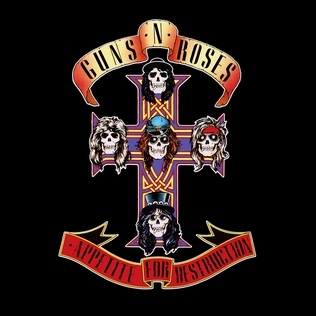
L.A. heathens whip hard rock back into shape, just in time to put the last nail in glam-metal's coffin; "Welcome To The Jungle" and "Paradise City" were pure rock hedonism, but just as impressive was "Sweet Child O' Mine," the only power ballad that doesn't suck.
Michael Jackson: Thriller
(Epic, 1982)

For one brief, shining moment, rock, R&B, and pop all converged into one once-and-again best-selling LP of all-time—immortalized in the street hustle of "Beat It," the paranoid pop of "Billie Jean," and the ridiculous B-movie freak-show "Thriller"—and it was Good.
Madonna: The Immaculate Collection
(Sire, 1983-1990/1990)

'Tis a party, she's a whore, until "Like A Prayer" appears, and the artist suddenly lives up to her name; but then again, "Borderline," "Like A Virgin," and "Material World" were no mere dancefloor throwaways—they're some of most immaculate pop ever conceived.
Metallica: Master Of Puppets
(Elektra, 1986)
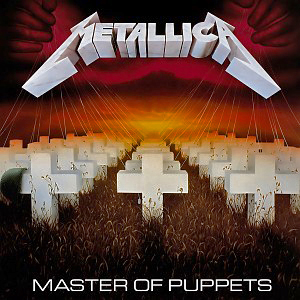
The finest heavy metal album by the band who all but single-handedly saved the genre. In songs like "Battery," and the title track, Metallica crafted dense, sprawling epics of anger and fear that redefined heavy metal for all who have played the music ever since.
Prince: Purple Rain
(Warner Brothers, 1984)
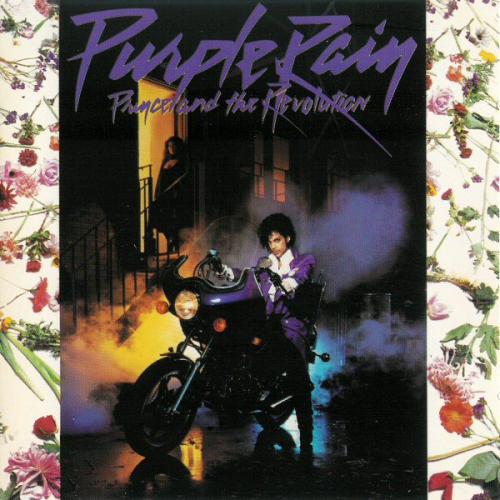
The Purple One at the peak of his talent and popularity in instant-classics such as "When Doves Cry," "Let's Go Crazy," and "I Would Die 4 U" turned funk into confession and sex into love; a pop/rock/R&B "Song Of Myself" that would've even made Whitman blush.
Public Enemy: It Takes A Nation Of Millions To Hold Us Back
(Def Jam, 1988)
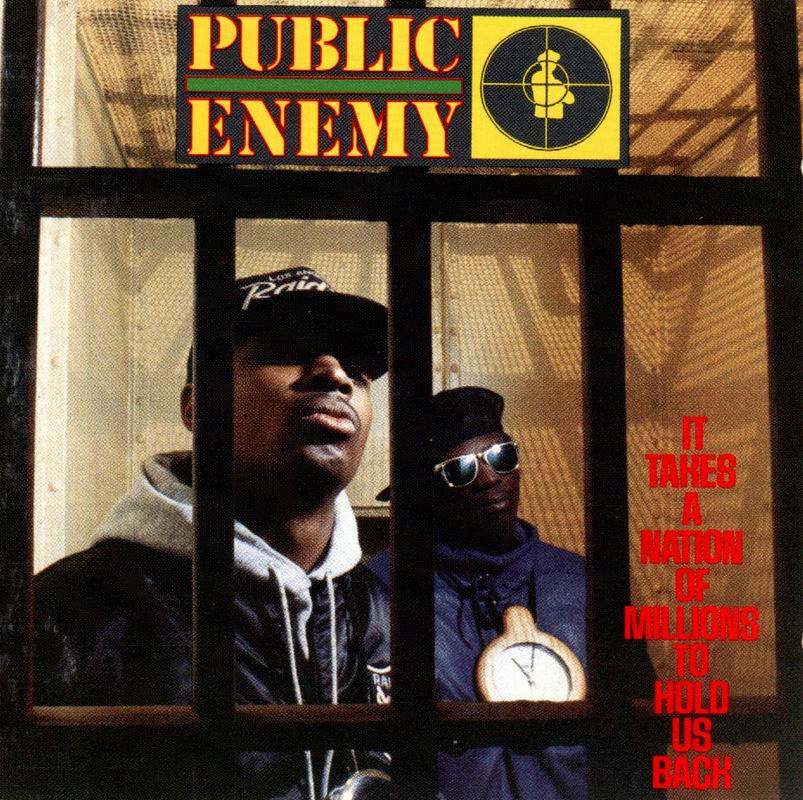
Chuck D brought a newfound sense of politics to songs like "Bring The Noise" and "Don't Believe The Hype," which was met by Terminator X's beats and offset by Flava Flav's cold lampin'—the result was the Sgt. Pepper of rap: the genre's "official" greatest album.
Run-D.M.C.: Raising Hell
(Profile, 1986)
.jpg/220px-Raising_Hell_(Run_DMC_album_-_cover_art).jpg)
After Run-D.M.C.'s hit with Aerosmith on "Walk This Way" broke down the wall between rap and rock (literally, in the video), they followed up with a classic LP of street rhymes ("My Adidas"), social rhymes ("Proud To Be Black"), and nursery rhymes ("Peter Piper").
The Smiths: The Queen Is Dead
(Rough Trade, 1986)

The definitive UK indie band of the 1980s crafts the decade's finest rock album, as Morrissey croons songs about death ("I Know It's Over"), love ("The Boy With The Thorn In His Side"), and death measuring love ("There Is A Light That Never Goes Out").
Sonic Youth: Daydream Nation
(Enigma, 1988)

With "Teenage Riot" kicking it off and the extended "Trilogy" as its finale, Sonic Youth's masterpiece mixed rock, punk, and avant-garde to create a sonic vocabulary that would be used by nearly every major group that came since—almost all of whom they've since outlasted.
Talking Heads: Remain In Light
(Sire, 1980)

The artiest band of the New York punk scene took on the world with this LP, building a sound on tape-loops of polyrhythmic African music; the result was an innovative record with a hit single, "Once In A Lifetime," with an archetypal video to match.
U2: The Joshua Tree
(Island, 1987)

Outside is America, as the group crafted a sound that was nearly as big as the land they sought to conquer; songs like "Where The Streets Have No Name" or "With Or Without You" grasped for a terrain so wide-open, it could only be found in one's imagination.
The 1990s (& Beyond).
Dr. Dre: The Chronic
(Death Row, 1992)

On the definitive rap album of the 1990s, Dr. Dre steps out from behind the producer's desk, shares the mic with a then-unknown Snoop Doggy Dogg, and in hits like "Nuthin' But A G Thang" and "Dre Day," creates gangsta rap's first modern masterpiece.
Eminem: The Marshall Mathers LP
(Aftermath, 2000)

What if the smartest person in America was also the angriest? Eminem's second album provided an answer, as "The Real Slim Shady" and "Stan" spewed a fire bitterness and ridicule, while proving him to be one of the finest (and funniest) MCs to pick up a mic.
Nine Inch Nails: Pretty Hate Machine
(Nothing, 1989)

Nirvana: Nevermind
(DGC, 1991)
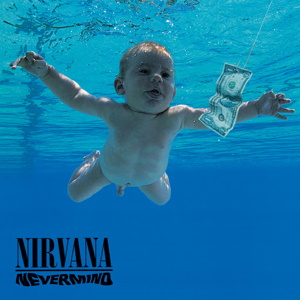
A loud Seattle trio led by a loser who used to live under a bridge finally break punk (now called grunge) in one of the finest albums in rock history: "Smells Like Teen Spirit" was the anthem, "In Bloom" was the mindset, and "Come As You Are" was the password.
Radiohead: OK Computer
(Parlophone, 1997)

The collapse of the 20th Century in an album that made Radiohead the most influential group at the brink of the 21st, as "Paranoid Android," "Karma Police," and "No Surprises" walked the line between man and machine with a post-grunge edge and a wistful beauty.
R.E.M.: Automatic For The People
(Warner Brothers, 1992)

Almost ten years after Murmur, R.E.M. releases a mostly quiet, understated collection of songs—such as "Everybody Hurts," "Man On The Moon," and "Nightswimming"—that are as murky as the swamp but elegant enough for AM radio; their finest album.
The Strokes: Is This It
(RCA, 2001)

The great white hype and momentary saviors of rock, they took everything good about New Wave, mixed it with The Velvet Underground, and sang it through a megaphone; "Last Night" was the anthem, but "Someday" is one of the prettiest songs I ever heard.
The White Stripes: White Blood Cells
(Sympathy For The Record Industry, 2001)

Back-to-basics guitar/bass/drums music (minus the bass), in the tradition of the Pistols and Nirvana; this time, it was curtesy of a divorced couple posing as brother and sister who set rock afire again with "Dead Leaves And The Dirty Ground" and "Fell In Love With A Girl."
Part 2: The 45s.

1. The Band: "The Weight." The rock ballad as quasi-spiritual pilgrimage, with grace, the devil, & Crazy Chester's dog.

2. The Beatles: "She Loves You." The sound of British Beatlemania, just before the yanks caught on.


4. The Beatles: "Strawberry Fields Forever." Their finest recording—which makes it a strong contender for rock's finest, too.


42. Simon & Garfunkel: "The Sounds Of Silence." When an electric band was dubbed onto this acoustic record, the result was quintessential folk-rock—literally.


45. The Sugar Hill Gang: "Rapper's Delight." The "Rock Around The Clock" of rap, & just as catchy.


49. Stevie Wonder: "Uptight (Everything's Alright)." Classic proto-funk from Motown's wunderkind.

* * *
*1950s Substitutions: Chuck Berry: The Definitive Collection; Fats Domino: Walking To New Orleans: Greatest Hits; Buddy Holly: Greatest Hits [1996]; Jerry Lee Lewis: 18 Original Sun Greatest Hits; Little Richard: The Very Best Of; Elvis Presley: At Sun; Elvis Presley: ELV1S: 30 #1 HITS.
**1960s Substitutions: The Beach Boys: Sounds Of Summer; The Kinks: The Singles Collection; Roy Orbison: 16 Biggest Hits; Diana Ross & The Supremes: The Definitive Collection; The Who: My Generation: The Best Of.


